

Is it Time? Signs Your Loved One Needs In-Home Care and How Home Care Services Can Help

You've been noticing little things. And then bigger things. And now you're lying awake at night wondering if it's time.
The truth? If you're asking the question, you probably already know the answer.
This isn't about taking independence away. It's about giving your loved one the support they need to stay safe, healthy, and home. And giving you the peace of mind you desperately need.
Let's walk through the signs together, the ones you're probably seeing right now. Then we'll talk about what in home care actually looks like and how home care services can help everyone breathe a little easier.
The Signs You're Probably Already Seeing
They're Struggling With Basic Daily Tasks
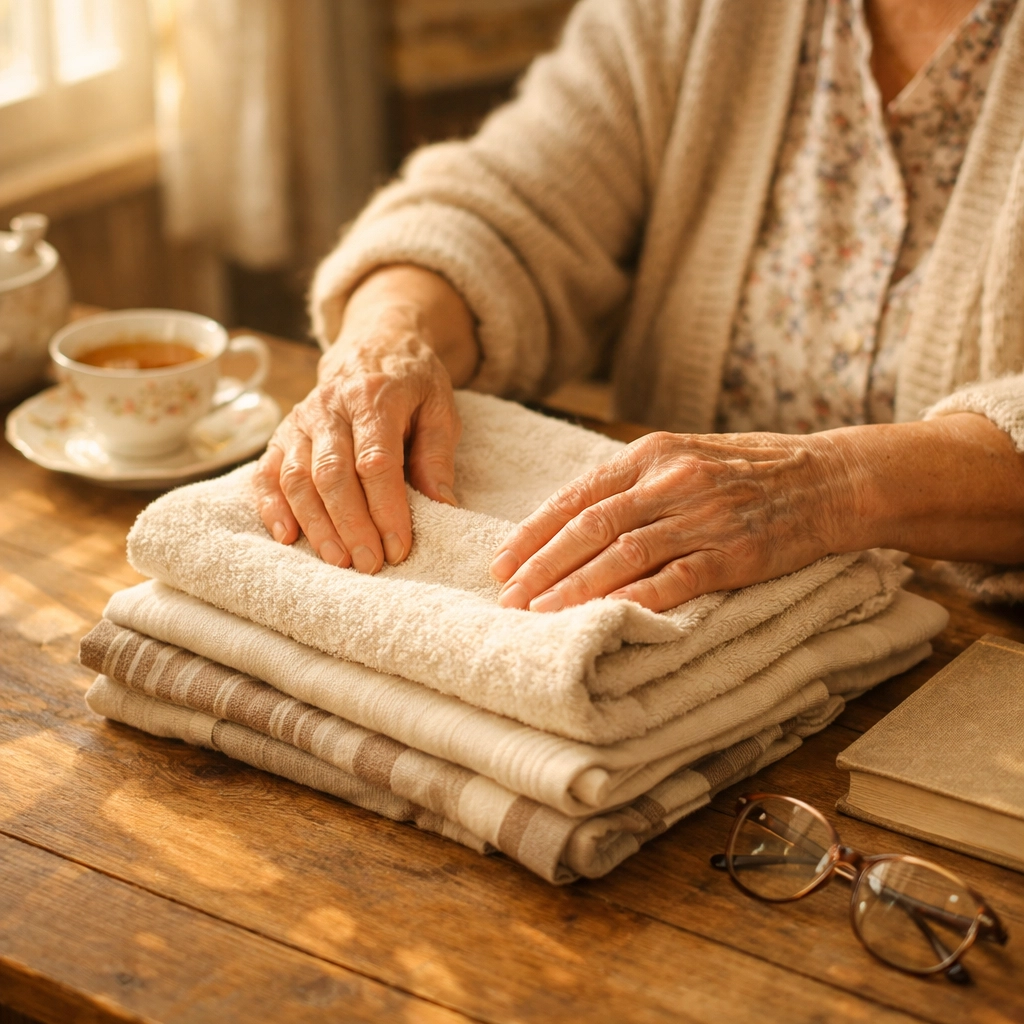
You walk in and the dishes have been piling up for days. The laundry's undone. There's expired food in the fridge. The bathroom needs cleaning.
Your mom used to keep an immaculate house. Now it feels overwhelming to her.
This isn't laziness. It's exhaustion. Or physical limitation. Or both.
If your loved one can't keep up with bathing, grooming, dressing, or light housekeeping, that's your first clear sign that home care services could make a real difference.
The Falls Are Getting Scary
Maybe they've actually fallen. Maybe they're just unsteady, grabbing furniture to walk, shuffling their feet, struggling with stairs.
Falls aren't just dangerous in the moment. They create fear. And that fear leads to less movement, weaker muscles, and more isolation.
In home care includes mobility assistance, not just catching them if they stumble, but helping them move safely and confidently through their day.
Memory Issues Are Getting Harder to Ignore
Missed appointments. Forgotten medications. Bills going unpaid. Confusion about what day it is.
You've been telling yourself it's just normal aging. But deep down, you know it's more than that.
Memory decline isn't something you can fix, but having someone there to provide reminders, manage medications, and keep your loved one oriented? That can keep them safe and independent much longer.
Their Health Is Declining
Weight loss. Not eating regular meals. Missing medication doses. Multiple doctor visits or hospital stays in the past year.
When your loved one can't manage their own nutrition and medication, their health spirals fast.
Professional caregivers can prepare nutritious meals, monitor eating habits, and ensure medications are taken correctly and on time. It's not just convenience, it's literally life-saving.

They're Isolated and Withdrawing
They used to have book club. Coffee with friends. Church on Sundays.
Now they're staying home. Losing interest. Maybe even showing signs of depression, irritability, mood swings, apathy.
Loneliness is a health crisis for seniors. It increases the risk of dementia, heart disease, and early death.
Companion care isn't just "nice to have." It's essential healthcare.
You're Watching Them Disappear Behind Neglect
Dirty clothes. Body odor. Unwashed hair. Unbrushed teeth.
Personal hygiene breakdown is one of the hardest things to witness. It signals that your loved one either can't physically manage these tasks anymore or has lost the motivation to try.
This is where gentle, dignified home care services step in, helping with bathing, grooming, and dressing in a way that preserves your loved one's dignity.
What In Home Care Actually Looks Like
So what does it mean when we say "in home care"? Let's break it down: because it's not one-size-fits-all. It's customized support built around what your loved one actually needs.
Personal Care That Protects Dignity
This includes help with bathing, dressing, grooming, toileting, and mobility. It's done by trained caregivers who understand how to provide physical assistance while protecting your loved one's sense of independence and self-respect.
You want someone who treats your parent the way you would: with patience, kindness, and zero judgment.
Companion Care That Fights Loneliness
Sometimes the biggest need isn't physical help. It's having someone there.
Companion care means conversation, activities, walks, games, reading together: human connection that keeps your loved one mentally sharp and emotionally healthy.
It's not just sitting in the same room. It's genuine relationship and engagement.

Light Housekeeping That Keeps Home Safe
Clutter causes falls. Dirty kitchens cause illness. Piles of mail and unpaid bills cause stress.
Light housekeeping isn't about deep cleaning. It's about maintaining a safe, sanitary living environment: dishes, laundry, tidying, taking out trash, checking food freshness.
Small tasks that become huge when you can't do them anymore.
Meal Preparation and Nutrition Support
Your loved one needs to eat. Regularly. And nutritiously.
Caregivers can plan meals, shop for groceries, cook, and even sit with your loved one during meals to encourage eating and make it a social experience instead of a lonely chore.
Good nutrition is the foundation of everything else.
Medication Management That Prevents Crises
Missed medications lead to hospitalizations. Wrong doses lead to emergencies. Forgotten refills lead to dangerous gaps in treatment.
Professional caregivers provide medication reminders, organize pill boxes, track refills, and communicate with you and healthcare providers about any concerns.
It's not controlling. It's protective.
Respite Care That Saves Family Caregivers
And here's the part we need to talk about: because this isn't just about your loved one. It's about you.
If you're the primary caregiver, you're exhausted. You're stretched thin. You're probably neglecting your own health, your job, your relationships.
Respite care gives you permission to step away. To rest. To recharge. To just be their child again, not their caregiver.
You don't have to do this alone.

How This Helps Everyone (Not Just Your Loved One)
When home care services come in, something shifts. Not just logistically: emotionally.
Your loved one stays home. In their own space, with their own routines, surrounded by their own memories. That matters more than you might realize.
They get professional care without losing independence. They have someone who shows up, who's trained, who treats them with respect and warmth.
And you? You get to breathe.
You stop carrying the weight of every meal, every medication, every safety concern. You stop lying awake wondering if they're okay. You stop sacrificing your own life trying to be everywhere at once.
You get to visit as family, not as a burned-out caregiver. You get to have conversations that aren't about doctors and pills. You get to hold their hand instead of scrubbing their bathroom.
That's what in home care really gives you. Not just services. Relief.
What Happens Next
If you're reading this and recognizing your own situation, you're not overreacting. You're not giving up. You're not taking away their independence.
You're getting them the help they need before something bad happens. That's love, not failure.
At Luving Hands Home Care, we start with a conversation: no pressure, no sales pitch. Just an honest discussion about what your loved one needs and what would give you peace of mind.
We'll create a care plan that fits. Maybe it's a few hours a week. Maybe it's daily support. Maybe it's just having someone there for the hardest tasks.
You don't have to figure this out alone. And you don't have to keep carrying all of this by yourself.

Let's talk about what in home care could look like for your family. Reach out to us when you're ready. We'll be here.
Because you've carried the weight long enough. It's time to let someone help.